Analysis6 min read
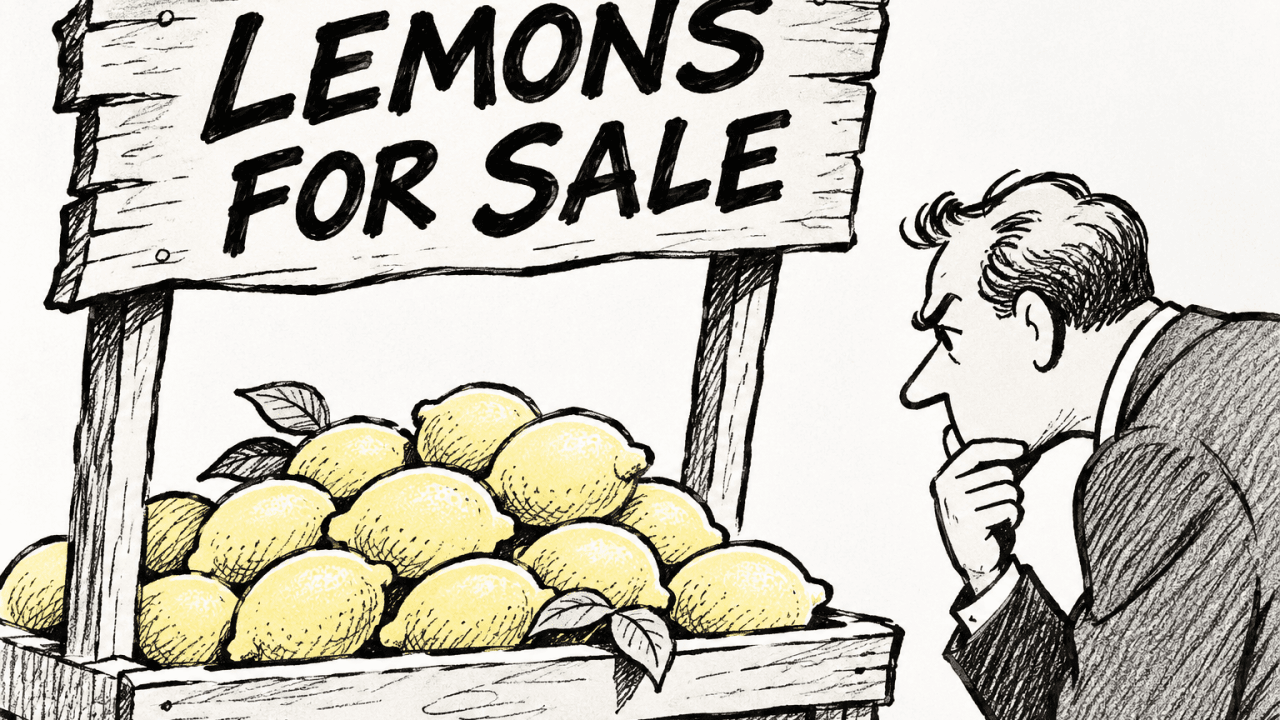
Why a Typo Could Save Your Career
Generative AI has slashed the cost to look like a promising academic. How should students and reviewers respond?
Rahul Sundaresan
13 Nov 2026Save
Section
8 articles
Generative AI has slashed the cost to look like a promising academic. How should students and reviewers respond?

What happens when competing businesses let algorithms set their prices? How should regulators respond to this newly-prominent kind of collusion?

India just fended off EU pressure to adopt pharmaceutical data exclusivity in its new free trade deal, keeping the patent law that built its generics industry intact. But data exclusivity can delay generic drugs just as effectively as a patent, meaning the same fight can be won again through trade negotiations without ever touching India's Patents Act. Will future trade deals test India's IP autonomy?

Dynamic pricing is spreading across the globe for concerts and sporting events, yet we shrug at an Uber surge. The difference comes down to fixed supply, limited substitutes, and prices that move mid-checkout.

Glory to Hypergryph for inspiring this research.
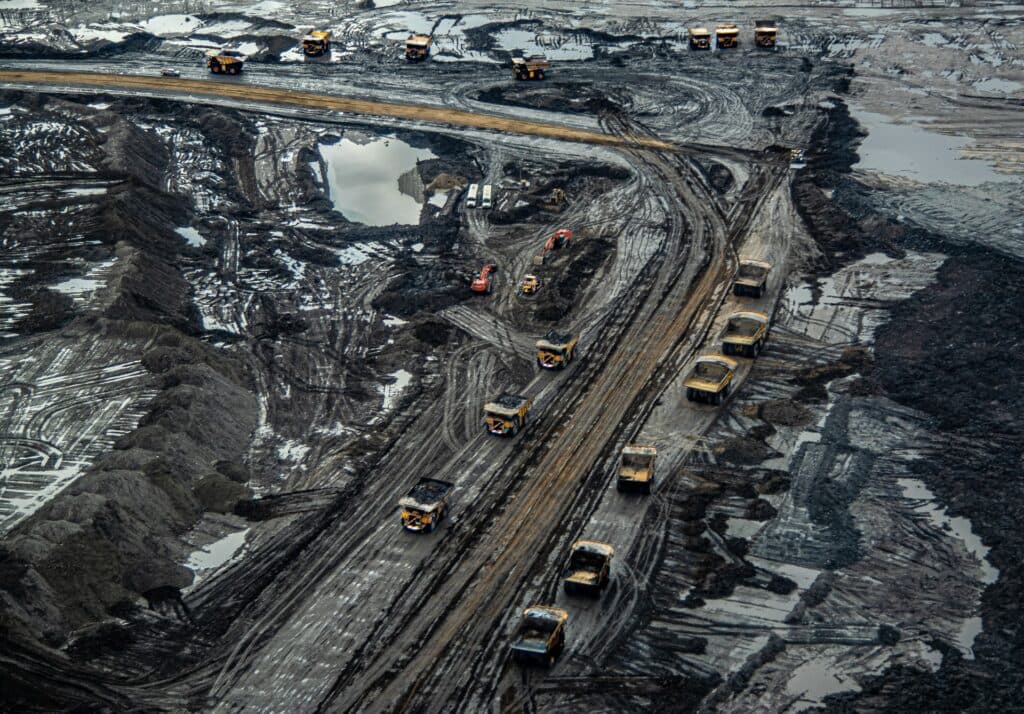
It has been an enormous year for Canadian oil stocks: over the past twelve months, the S&P/TSX Capped Energy Index has climbed roughly 71%, which is more than triple the gain of the broader TSX. Gulf oil is now flowing once more at levels seen before the war, and yet Brent remains above US$100. That raises the question: is the surge in Canada's tar sands stocks here to stay, or has the bulk of the profit already been captured? This article examines what is genuinely keeping oil prices elevated, how the loonie affects returns for foreign investors, and which stocks still have room to appreciate.

Sanctions are often touted as a cure-all for international non-compliance, but how effective really are they?